Guide
Can You Build an ADU on a Septic System in California?
Yes, if your septic system has capacity or can be upgraded. Learn the county review, percolation test rules, drain field limits, and a Hesperia example.
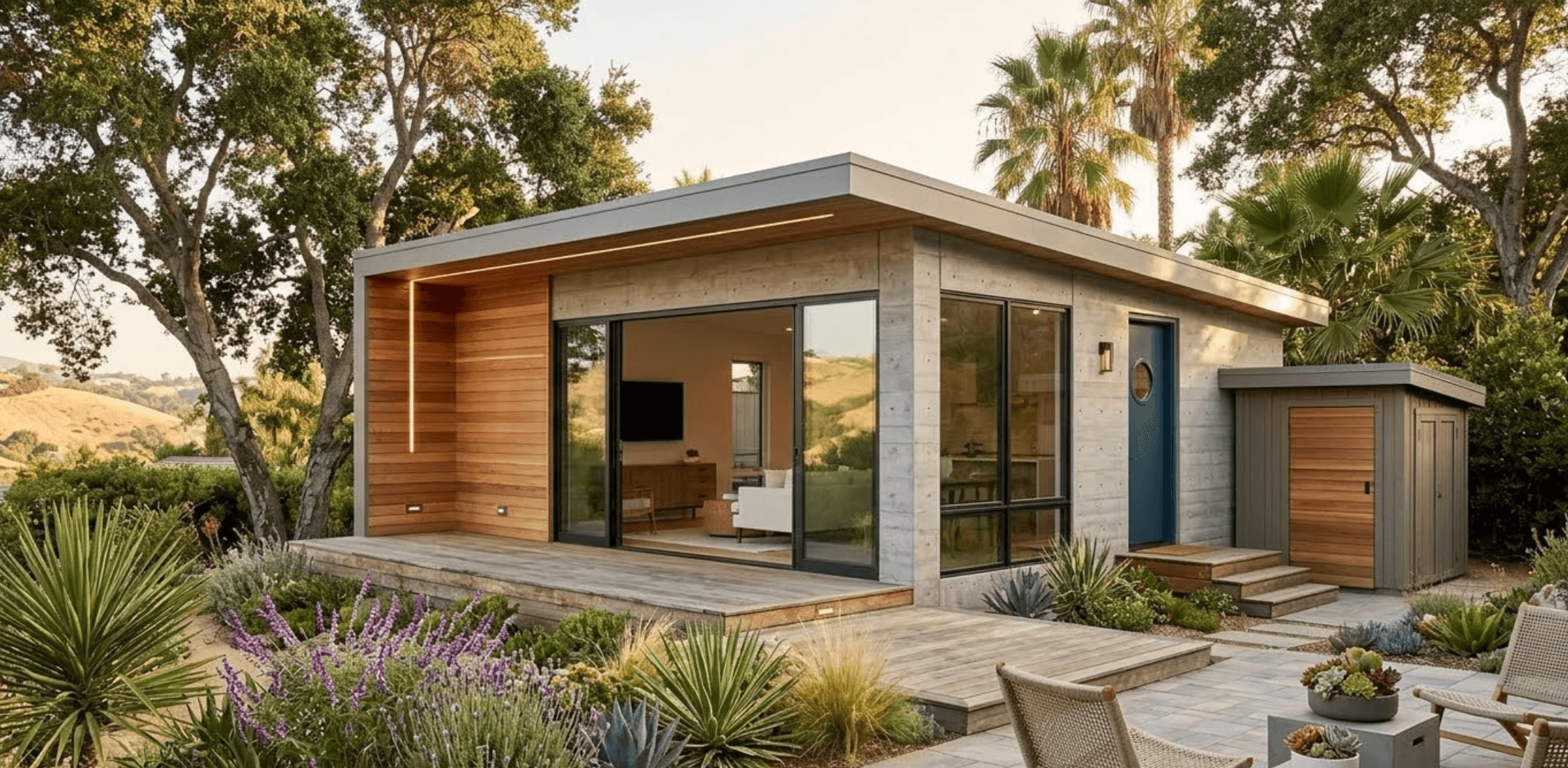
Yes, you can usually build an ADU on a lot served by a septic system, as long as the system can handle the extra wastewater or you upgrade it. The septic side is reviewed by your county environmental health department, not the city planning office, so check capacity before you pay for ADU plans.
Key takeaways
- ›Septic systems are sized by bedrooms. A new ADU adds flow the existing system may not be designed for.
- ›Get a septic assessment first. State ADU law lets the city ask for a recent percolation test on a private sewage system.
- ›If capacity falls short, your options are to upgrade the system, add a second system, connect to sewer, or build a smaller unit.
- ›You cannot build over a drain field, so its location can decide where the ADU goes.
Can a septic system handle an ADU?
It depends on the system's design capacity, age, condition, and your soil. Septic systems are designed around a number of bedrooms, so a system sized for a three-bedroom house may or may not absorb a two-bedroom ADU. For septic review, the ADU's bedroom count often matters more than its square footage.
What does a septic assessment involve?
Do this before plans, permits, or contractor deposits:
- ›Pull the existing system's design and permit records. Your county environmental health department usually has them.
- ›Hire a licensed septic designer, engineer, or contractor to inspect the tank, lines, and drain field.
- ›Run a percolation test or soils analysis if the records are missing or the system is old.
State ADU law allows the local agency to require a percolation test completed within the last five years (or within the last 10 years if it has been recertified) when the ADU will use a private sewage disposal system. If you already have a recent test, dig it out.
What if the existing system is too small?
You have five main options:
- ›Upgrade the existing system. Expanding the drain field or adding tank capacity is often possible if you have the land.
- ›Install a second system. Larger rural lots can sometimes support a separate system just for the ADU.
- ›Connect to public sewer. If a sewer main is nearby, extending a lateral may be feasible. Cost depends heavily on distance and whether the line crosses a street, so get a quote from the utility.
- ›Build a smaller unit. Dropping from two bedrooms to a studio can bring the project within existing capacity.
- ›Use an advanced treatment system. Engineered systems that treat wastewater more thoroughly may be allowed, or required, in sensitive areas. They cost more to install and maintain.
Costs range from a few thousand dollars for modest tank work to tens of thousands for a new system or a long sewer extension. Get two or three local bids and put the number in your budget from the start. Our cost calculator covers the building itself, so add septic work on top.
Who approves septic for an ADU in California?
Septic systems in California fall under the State Water Resources Control Board's OWTS Policy, which counties carry out through their own local programs. In practice that means your county environmental health department sets the design rules, review process, and fees, and signs off before the city issues the ADU permit.
Many counties offer a pre-application consultation. It costs far less than redesigning plans.
Worked example: an ADU on a septic lot in Hesperia
Hesperia is a good case study because many High Desert lots rely on septic. Based on ADUByCity city data, as of 2026:
| Item | Hesperia |
|---|---|
| Build cost per sq ft | $165–$220 |
| 600 sq ft one-bedroom build cost | $99,000–$132,000 |
| Permit fees | $4,000–$8,500 |
| ADU/JADU planning application fee | $292 |
| Impact fees | Waived under 750 sq ft |
| Monthly rent | $1,100–$1,700 |
Hesperia lists a septic system assessment as a required document for septic-served lots, and those lots need county environmental health sign-off, which can lengthen the timeline beyond the city's 60-day review. Keeping the unit to one bedroom limits the added wastewater load, and staying under 750 sq ft avoids impact fees.
Nearby Victorville asks for a percolation report where septic is involved.
Which California cities have septic lots?
Septic is most common on rural and large-lot parcels. In our city data, it shows up in:
- ›Hesperia and Victorville: parts of each city are on septic
- ›Lancaster and Palmdale: some outer Antelope Valley areas
- ›Temecula: rural and Wine Country areas
- ›Hemet: septic allowed in the RA zone where sewer is unavailable
If you are unsure, ask your local water or sewer district.
Where can the ADU go if you have a drain field?
A drain field must stay unobstructed. You cannot build on it, park on it, or dig it up for landscaping, and the county will also require separation distances from the tank and field.
If the drain field fills much of your backyard, it may push the ADU into a smaller area or rule out a detached unit. A septic professional can map the system so your designer works around it. The state 4 ft side and rear setbacks still apply to the ADU itself (see ADU setback requirements), and the size calculator can help you test what fits.
Does septic affect ADU financing?
Usually not, if the system is correctly sized and in good condition. The risk is budget: a septic upgrade found mid-permit can stall a project, so price it early and include it in your loan request (see ADU financing and the ADU permit process).
Sources
- ›California Gov. Code §§66310–66342: ADU and JADU law
- ›State Water Resources Control Board: Onsite Wastewater Treatment Systems (OWTS)
- ›HCD: Accessory Dwelling Units
- ›City of Hesperia: Accessory Dwelling Unit Application
- ›City of Victorville: Plan Submittal Requirements
- ›Cost and rent ranges: ADUByCity city data, as of 2026
Free Service
Ready to Start Your ADU Project?
Get free quotes from licensed ADU contractors in your city. No obligation, takes 2 minutes.
Get Free Contractor Quotes